

Table of Contents
- The Grocery Bag Test & The Silent Muscle Thief
- The mTOR Switch: How High-Protein Seeds Trigger Muscle Growth
- The Edestin Advantage: Digestible Protein Without the GI Distress
- The Alkaline Shield: Stopping Age-Related Muscle Wasting
- Strong Bones, Stronger Muscles: The Role of Seed Minerals
- The Golden Window: When to Eat Seeds for Maximum Repair
- Key Highlights
- Frequently Asked Questions
The Grocery Bag Test & The Silent Muscle Thief
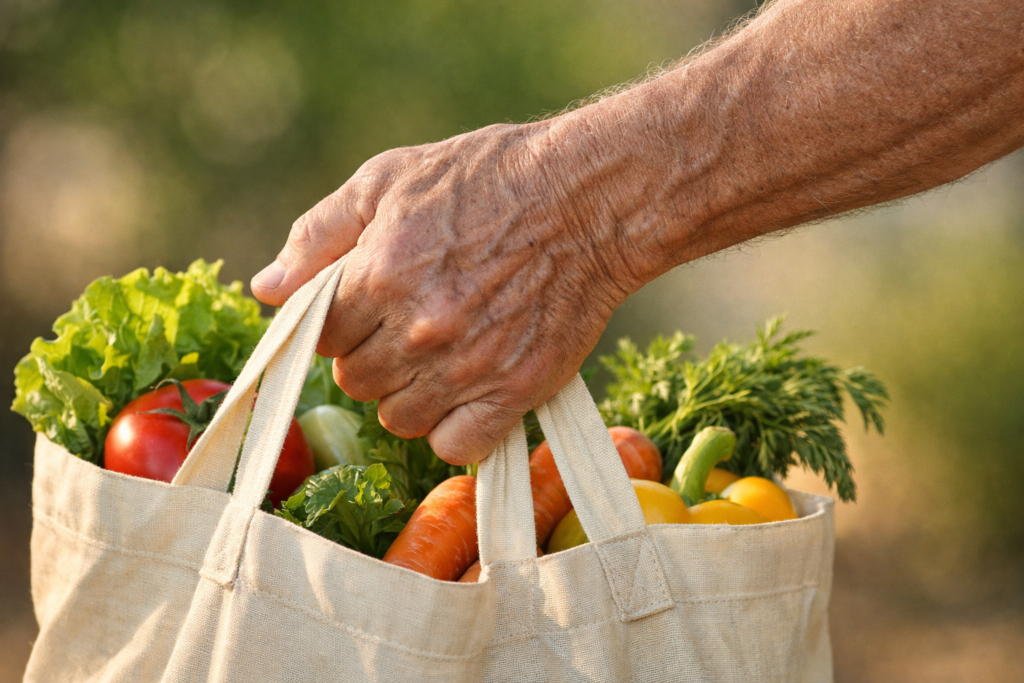
Imagine you are walking back from your local market, carrying a bag that contains nothing more than a gallon of milk and some fresh produce. A year ago, this walk felt effortless, a simple part of your morning routine.
Today, however, the handle of the bag seems to dig deeper into your palm. Your forearm feels strained, and by the time you reach your front door, you are slightly out of breath. This isn’t just “getting older”—it is the physical manifestation of a biological process.
This invisible thief is known as Sarcopenia. It is the age-related loss of skeletal muscle mass and function, a condition that can begin as early as your 40s but accelerates rapidly after the age of 60.
For many seniors, the traditional advice to “eat more protein” feels like a double-edged sword. Heavy steaks or dense whey protein shakes often lead to bloating, indigestion, and a heavy feeling in the gut that lasts for hours.
Fortunately, there is a more efficient way to fuel your recovery. By incorporating high-protein seeds into your daily regimen, you can bypass digestive distress while delivering the exact nutrients your muscles crave.
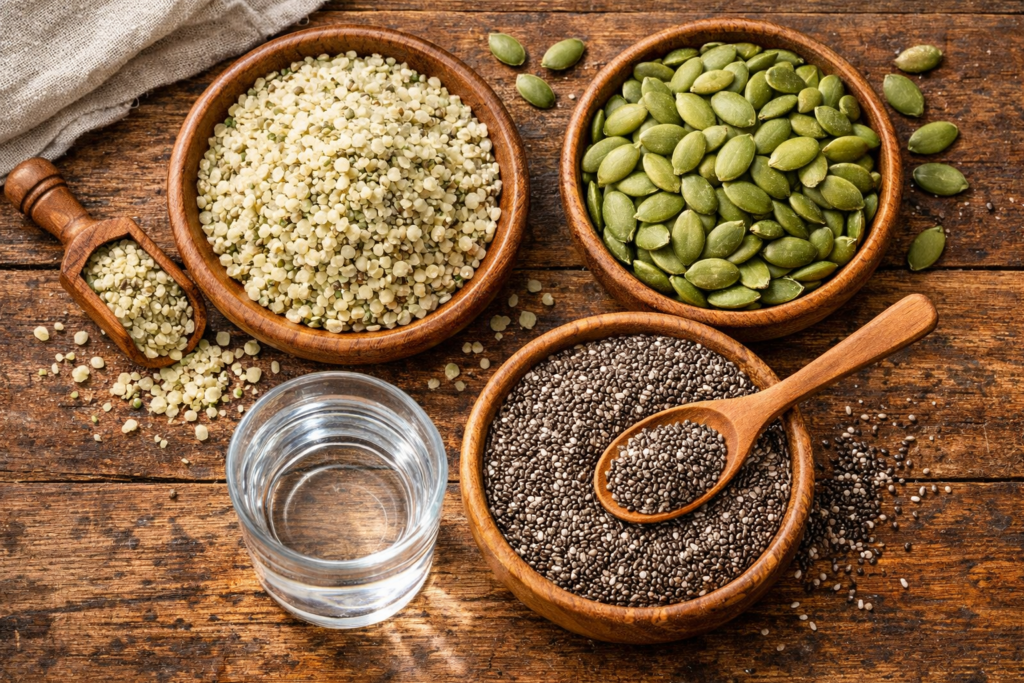
High-protein seeds, such as hemp, chia, and pumpkin seeds, offer a bioavailable alternative to animal proteins. They are packed with the specific amino acids required to flip the biological switches that tell your body to stop wasting away and start rebuilding.
The mTOR Switch: How High-Protein Seeds Trigger Muscle Growth
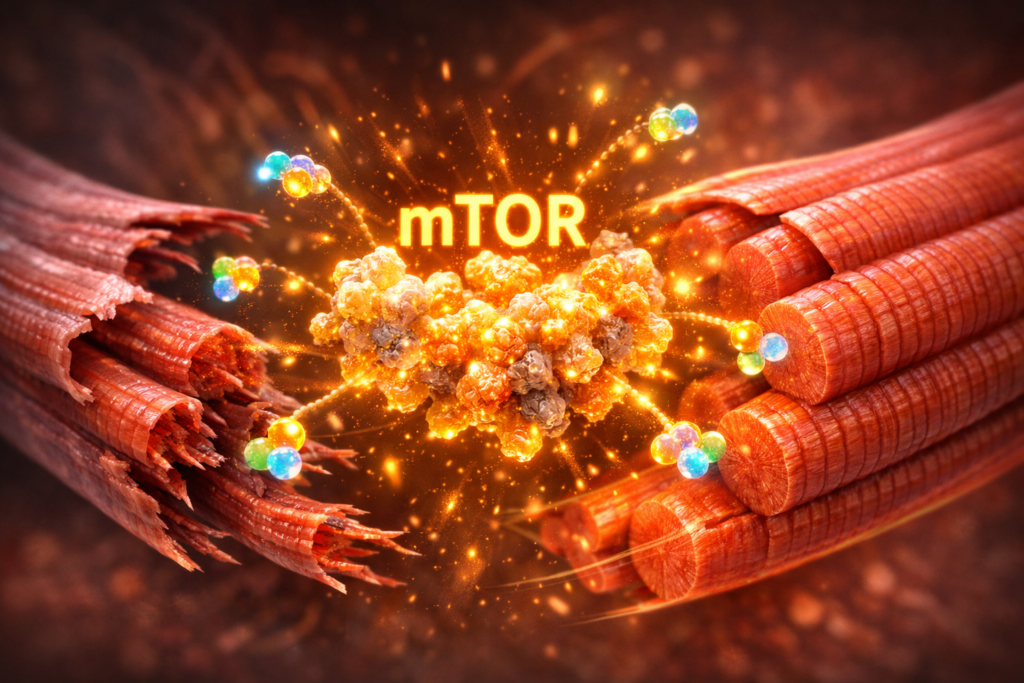
To understand how to reverse muscle loss, we must look at a biological signaling pathway called the Mammalian Target of Rapamycin, or mTOR. Think of mTOR as the “master builder” of your body’s cellular construction site.
When the mTOR pathway is activated, it signals your cells to synthesize new protein and expand muscle fibers. However, as we age, our bodies develop “anabolic resistance,” meaning the mTOR switch becomes harder to flip.
This is where high-protein seeds play a critical role. These seeds are exceptionally rich in an amino acid called Leucine. Scientific research has identified Leucine as the primary “spark plug” that ignites the mTOR pathway.
According to research published by the National Institutes of Health, Leucine is the most potent amino acid for stimulating muscle protein synthesis, even in older adults with sedentary lifestyles.
By consuming high-protein seeds regularly, you provide a steady stream of Leucine to your bloodstream. This tells your body that there are enough raw materials available to begin the repair process, effectively overcoming age-related resistance.
Unlike large portions of meat which require significant energy to break down, the nutrients in high-protein seeds are released more efficiently. This allows the Leucine to reach your muscle tissues faster and more effectively.
Furthermore, seeds like pumpkin and hemp provide a balanced profile of all nine essential amino acids. This ensures that once the mTOR switch is flipped, the “construction crew” has all the tools needed to complete the job.
The Edestin Advantage: Digestible Protein Without the GI Distress
One of the greatest hurdles for seniors trying to increase protein intake is the health of the gastrointestinal (GI) tract. As we age, stomach acid production often decreases, making it harder to break down complex animal proteins.
This often results in “protein fermentation” in the gut, which causes gas, bloating, and systemic inflammation. This is why hemp seeds are considered a miracle food for those over 60.
Hemp seeds contain a unique type of protein called Edestin. Edestin is a globular protein that is remarkably similar to the proteins found in human blood plasma. Because of this similarity, the human body recognizes and absorbs it with incredible ease.
In fact, hemp protein is roughly 65% Edestin and 35% albumin. Both of these are highly digestible and hypoallergenic, meaning they rarely cause the allergic reactions or sensitivities associated with soy or dairy-based powders.
The bioavailability of these high-protein seeds ensures that the protein you eat actually reaches your muscles. It is not about how many grams of protein you swallow; it is about how many grams your body can actually use.
By choosing high-protein seeds, you are opting for a “pre-optimized” fuel source. The aging GI tract can easily disassemble these globular proteins into individual amino acids, which are then ferried directly to the site of muscle repair.
This ease of digestion also means you can maintain a high-protein diet without feeling sluggish. Instead of needing a nap after a high-protein meal, you will feel energized and ready for physical activity.
The Alkaline Shield: Stopping Age-Related Muscle Wasting
Modern diets are often heavily acidic, dominated by processed grains, sugars, and factory-farmed meats. When the blood becomes too acidic, the body must find a way to neutralize the pH to maintain homeostasis.
To do this, the body often “borrows” alkaline minerals from the bones and breaks down muscle tissue to release glutamine, which helps balance the pH levels. This process, known as metabolic acidosis, is a primary driver of sarcopenia.
High-protein seeds offer a powerful solution to this problem because they are among the most alkaline-forming protein sources on the planet. While a steak might provide protein, it also increases the acid load on your kidneys.
Conversely, seeds like chia and hemp provide the protein necessary for growth while simultaneously offering an “alkaline shield.” This prevents the body from needing to cannibalize its own muscle tissue for pH balance.
Research available via the Journal of Environmental and Public Health suggests that an alkaline-rich diet can help preserve muscle mass in older populations by reducing urinary nitrogen loss.
When you replace a portion of your animal protein with high-protein seeds, you are essentially telling your body to stop the “emergency breakdown” of muscle. This allows your existing muscle fibers to remain intact while you build new ones on top of them.
This shift in internal chemistry is subtle but profound. Over weeks and months, the cumulative effect of an alkaline-rich, seed-based diet can significantly slow the progression of muscle wasting.
Strong Bones, Stronger Muscles: The Role of Seed Minerals
We often think of muscles and bones as two separate systems, but in reality, they function as a single unit called the musculoskeletal system. A muscle is only as strong as the bone it pulls against. For more on protecting your skeletal system, read our guide on natural joint pain relief.
Sarcopenia is frequently accompanied by Osteopenia (bone thinning). If your bones are frail, your nervous system will actually “dampen” your muscle strength to prevent you from snapping a bone during exertion.
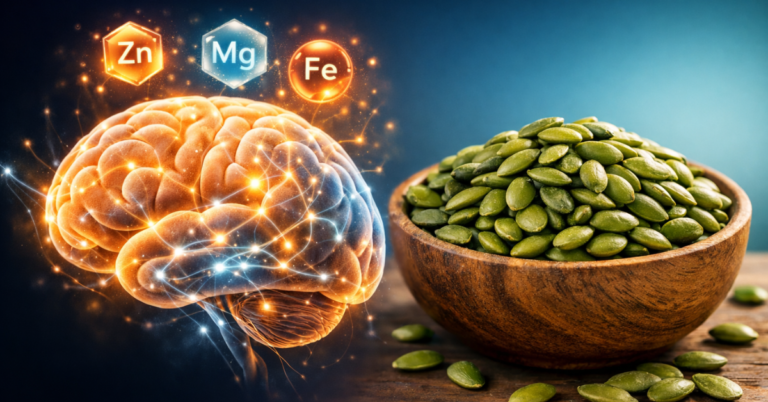
High-protein seeds are unique because they are mineral powerhouses. Pumpkin seeds, for instance, are one of the best dietary sources of Magnesium, Zinc, and Manganese—three minerals essential for bone matrix density.
Magnesium is particularly important for seniors. It helps regulate calcium transport and is a co-factor in over 300 enzymatic reactions, including those that synthesize new muscle protein.
Zinc plays a vital role in tissue repair and immune function. As we age, our ability to repair micro-tears in muscle fibers after a walk or exercise session depends heavily on our Zinc status.
By consuming high-protein seeds, you are providing the structural minerals needed to fortify your skeleton. This creates a solid “anchor” for your muscles, allowing for more powerful contractions and better balance.
This synergy between minerals and protein is what makes seeds superior to isolated protein powders. You aren’t just getting the bricks for the house; you are getting the mortar and the foundation as well.
The Golden Window: When to Eat Seeds for Maximum Repair
While the quality of your protein matters, the timing of your intake can be the difference between “maintaining” and “rebuilding.” This is particularly true for those over 60, whose muscles are less sensitive to nutrients throughout the day.
The “Golden Window” refers to the period immediately following physical activity—even something as simple as a 20-minute walk or gardening. During this time, your muscles are primed for “Post-Prandial Amino Acid Spiking.”
When you exercise, you create a temporary state of increased insulin sensitivity in the muscle cells. If you flood your bloodstream with amino acids from high-protein seeds within 45 minutes of this activity, the uptake is significantly higher.
For seniors, this post-workout window is the most critical time of the day. Consuming a handful of high-protein seeds or a seed-based smoothie during this time ensures that the Leucine reaches the mTOR switch while it is most responsive.
You don’t need a heavy meal. A simple serving of 3 tablespoons of hemp hearts provides roughly 10 grams of highly digestible protein, which is often enough to trigger the repair process without making you feel full or bloated.
Consistency is key. By pairing light resistance training with the strategic consumption of high-protein seeds, you can create a daily cycle of growth that actively fights back against the “silent thief” of sarcopenia.

Key Highlights
- Sarcopenia is age-related muscle loss that can be reversed with the right nutritional strategy.
- High-protein seeds contain Leucine, the essential amino acid that activates the mTOR muscle-building pathway.
- Hemp seeds feature Edestin, a protein that is more easily digested by the aging gut than meat or dairy.
- The alkaline nature of seeds prevents the body from breaking down muscle to balance blood pH levels.
- Seeds provide essential minerals like Magnesium and Zinc that strengthen the bones and support muscle contractions.
- Eating high-protein seeds within 45 minutes of light exercise maximizes muscle repair and growth.
Frequently Asked Questions
How many tablespoons of high-protein seeds should seniors eat daily for muscle health?
Most health experts suggest 3 to 6 tablespoons daily. This can be split between meals, such as adding hemp seeds to oatmeal in the morning and pumpkin seeds to a salad at lunch.
Can plant-based seeds completely replace meat for seniors with sarcopenia?
While seeds are an excellent protein source, they are best used as a supplement or a primary protein source in a balanced diet. If you are fully plant-based, ensure you eat a variety of seeds and legumes to get a full spectrum of amino acids.
What are the easiest ways to add raw seeds to a senior’s diet without cooking?
Hemp hearts and chia seeds can be sprinkled directly onto yogurt, applesauce, or cottage cheese. You can also blend them into smoothies or stir them into soups just before serving.
Do high-protein seeds interfere with common medications?
Generally, seeds are safe, but those on blood thinners should consult a doctor before significantly increasing their intake of seeds high in Vitamin K or Omega-3 fatty acids, like chia seeds.
Are these seeds high in calories?
Seeds are nutrient-dense and contain healthy fats, so they are higher in calories than vegetables. However, for seniors fighting sarcopenia, these “healthy calories” are necessary to provide the energy required for muscle synthesis.
Medical Disclaimer: This article is for informational purposes only and does not constitute medical advice. Sarcopenia is a clinical condition that should be managed under the supervision of a healthcare professional. Always consult with your doctor or a registered dietitian before making significant changes to your diet or exercise routine, especially if you have underlying health conditions or are taking prescription medications.
![Infographic showing 4 dangerous seeds to avoid and 4 miracle seeds for longevity after 60[cite: 159, 160, 222].](https://saziboxfam.com/wp-content/uploads/2026/03/seeds-for-longevity-after-60-miracle-vs-dangerous-768x435.png)