

Table of Contents
- The Morning Creak: Understanding Aging Joints
- Alpha-Linolenic Acid (ALA): The Molecular Lubricant
- Lowering the Fire: Clinical Data on CRP Reduction
- Lignans and the Battle Against Oxidative Stress
- Magnesium: The Silent Architect of Musculoskeletal Comfort
- The Gut-Joint Axis: Healing from the Inside Out
- Practical Integration: How to Use These Seeds
- Key Highlights
- Frequently Asked Questions
The Morning Creak: Understanding Aging Joints
For many adults over the age of 60, the day doesn’t start with a leap out of bed, but rather with a cautious inventory of aches.
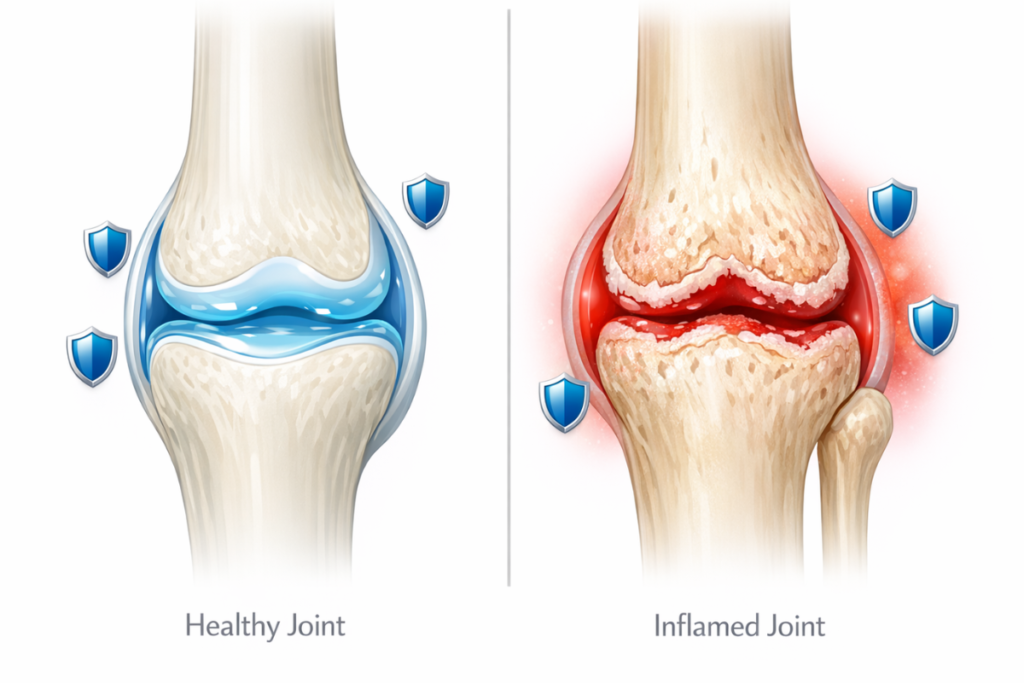
This “morning stiffness” is often the result of decades of mechanical wear combined with a biological shift toward chronic, low-grade inflammation.
Medical science refers to this phenomenon as “inflammaging,” a state where the immune system remains perpetually overactive, damaging healthy joint tissue.
While pharmaceutical interventions have their place, the foundation of joint longevity often lies in the micronutrients we consume daily. To learn more about how nutrition supports healthy aging, explore our guide on Seeds for Longevity After 60.
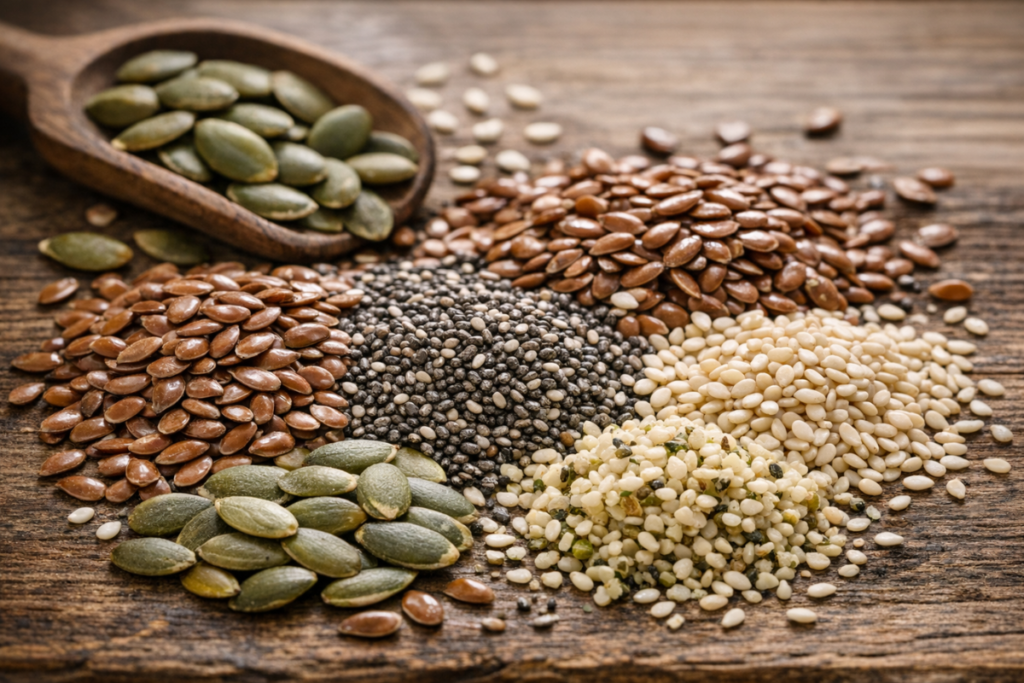
Seeds, often overlooked as mere garnishes, are actually biological powerhouses containing specific compounds that can reprogram the body’s inflammatory response.
By integrating specific seeds into your diet, you can address the root causes of joint friction and support the structural integrity of your cartilage.
Alpha-Linolenic Acid (ALA): The Molecular Lubricant
The primary driver of joint pain in seniors is the imbalance between pro-inflammatory and anti-inflammatory signaling molecules.
Flaxseeds and chia seeds are among the richest plant-based sources of Alpha-Linolenic Acid (ALA), a vital Omega-3 fatty acid.
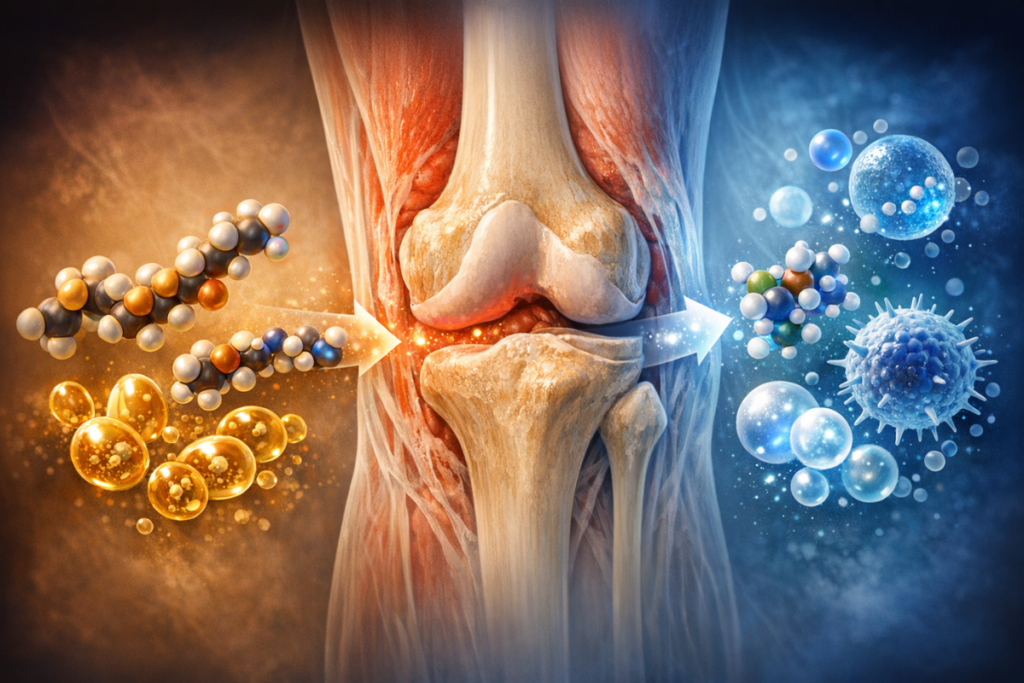
Once ingested, ALA serves as a precursor to eicosanoids, which are signaling molecules that control the “volume” of inflammation in the body.
Research published by the National Institutes of Health suggests that ALA inhibits the production of pro-inflammatory cytokines.
Specifically, ALA interferes with the metabolic pathway that produces prostaglandin E2, a major culprit in joint swelling and pain perception.
For those over 60, this conversion process is crucial because it helps maintain the viscosity of the synovial fluid that cushions the knees and hips.
Think of ALA as a biological lubricant that prevents the “rusting” of joint surfaces during movement. This is just one way specific seeds contribute to Seeds for Longevity After 60.
Lowering the Fire: Clinical Data on CRP Reduction
C-Reactive Protein (CRP) is a protein made by the liver that increases when there is inflammation in the body.
In geriatric populations, elevated CRP levels are a strong predictor of rheumatoid arthritis and osteoarthritis progression.
Clinical studies have shown that regular consumption of hemp and flax seeds can significantly lower systemic CRP levels.
According to data found on PubMed, individuals consuming 30 grams of ground seeds daily saw a measurable drop in inflammatory markers within 12 weeks.
This systemic reduction is vital because inflammation isn’t just localized to one joint; it is a body-wide environmental state.
By lowering the baseline of systemic inflammation, the body can divert resources toward tissue repair rather than constant immune defense.
Hemp seeds, in particular, contain Gamma-Linolenic Acid (GLA), which further assists in regulating the body’s immune response to mechanical stress.
Lignans and the Battle Against Oxidative Stress
Joint degradation is often accelerated by oxidative stress, a process where free radicals attack the collagen matrix of the joints.
Sesame seeds and flaxseeds are incredibly high in lignans, a type of polyphenol that acts as a potent antioxidant.
Lignans help neutralize these free radicals before they can damage the chondrocytes—the cells responsible for healthy cartilage production.
A study highlighted by the Arthritis Foundation notes that sesame oil and seeds may protect the synovial membrane from oxidative damage.
Protecting the synovial membrane is essential because this tissue produces the fluid that allows for frictionless movement.
Furthermore, lignans have phytoestrogenic properties that may be particularly beneficial for post-menopausal women, who often see a spike in joint issues due to estrogen loss.
Magnesium: The Silent Architect of Musculoskeletal Comfort
While we often focus on the bones and cartilage, the muscles and tendons surrounding the joints play an equal role in mobility.
Magnesium deficiency is common in adults over 60 and can lead to muscle spasms, cramps, and increased joint tension.
Pumpkin seeds, also known as pepitas, are one of nature’s best sources of magnesium, providing nearly 40% of the daily requirement in just one ounce.
Magnesium acts as a natural calcium blocker, helping muscles relax after contraction.
When muscles around a joint are chronically tight, they pull the joint out of alignment, leading to uneven wear and increased pain.
By maintaining adequate magnesium levels, you ensure that the musculoskeletal system remains supple and responsive.
Additionally, magnesium is essential for the structural development of bone, which provides the necessary foundation for healthy joints.
The Gut-Joint Axis: Healing from the Inside Out
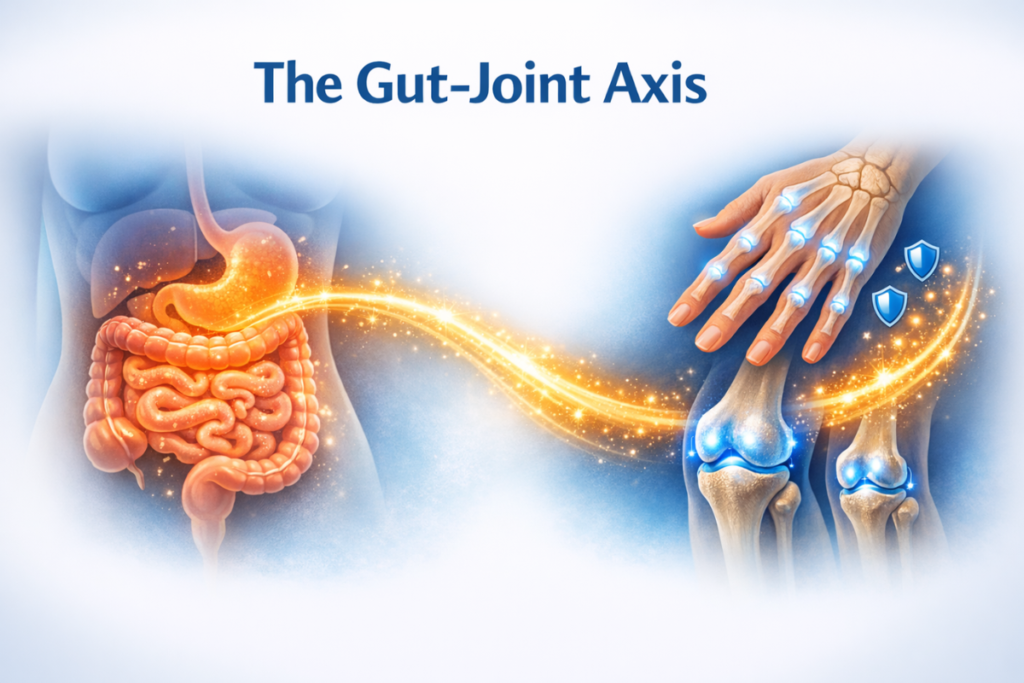
Emerging medical research is uncovering a profound connection between gut health and joint inflammation, known as the “Gut-Joint Axis.”
A “leaky” intestinal barrier can allow pro-inflammatory bacterial components to enter the bloodstream, triggering joint flare-ups.
Seeds are an exceptional source of prebiotic fiber, which feeds the beneficial bacteria in the microbiome.
Chia seeds, for instance, can hold up to 12 times their weight in water, creating a mucilaginous gel that supports the intestinal lining.
This fiber is fermented by gut bacteria into short-chain fatty acids (SCFAs), which have systemic anti-inflammatory effects.
By strengthening the gut barrier, you essentially prevent the “fire” of inflammation from spreading to your joints.
Practical Integration: How to Use These Seeds
To reap the scientific benefits of these seeds, consistency and preparation are key.
Flaxseeds should always be consumed ground, as the whole shell is too tough for the human digestive tract to break down.
Chia seeds can be soaked to create a pudding or added to smoothies to maximize hydration and fiber intake.
Hemp seeds have a mild, nutty flavor and are best used as a topper for salads, oatmeal, or Greek yogurt.
Aim for a combined total of 2 to 3 tablespoons of these seeds daily to reach the therapeutic thresholds discussed in clinical literature.
Remember that while seeds are powerful, they work best as part of a holistic approach including hydration and low-impact movement.
Key Highlights
- Flax and chia seeds provide Alpha-Linolenic Acid (ALA) to reduce joint stiffness.
- Regular seed consumption can measurably lower C-Reactive Protein (CRP) levels in seniors.
- Lignans in sesame and flax protect the synovial fluid from oxidative stress and free radical damage.
- Pumpkin seeds offer high magnesium content to prevent muscle spasms and support joint alignment.
- The prebiotic fiber in seeds strengthens the gut-joint axis, preventing systemic inflammatory triggers.
Frequently Asked Questions
Most clinical studies show that significant reductions in inflammatory markers occur after 8 to 12 weeks of consistent daily consumption.
While seeds are healthy, they are calorie-dense. Stick to 2-3 tablespoons a day to avoid excessive caloric intake while still gaining the anti-inflammatory benefits.
No, chia seeds can be digested whole, though soaking them or grinding them can make their nutrients slightly more bioavailable.
High amounts of Omega-3s can have a mild blood-thinning effect. If you are on medication like Warfarin, consult your doctor before significantly increasing your flax or chia intake.
Pumpkin seeds are the best choice for muscle-related discomfort due to their high magnesium content, which aids in muscle relaxation.
Medical Disclaimer: The information provided in this article is for educational purposes only and is not intended as medical advice. Always consult with a healthcare professional or a registered dietitian before making significant changes to your diet, especially if you have underlying health conditions or are taking prescription medications.
![Infographic showing 4 dangerous seeds to avoid and 4 miracle seeds for longevity after 60[cite: 159, 160, 222].](https://saziboxfam.com/wp-content/uploads/2026/03/seeds-for-longevity-after-60-miracle-vs-dangerous-768x435.png)