

Table of Contents
- What Is Cyclospora? (Understanding the Parasite)
- How Cyclospora Affects the Human Body
- Key Symptoms of Cyclosporiasis: What to Watch For
- Transmission: How Does Cyclospora Spread?
- Prevention and Treatment Guidelines
- When to See a Doctor
In recent years, you may have heard reports from the CDC or local news about a concerning rise in diarrheal illnesses across various states in the United States. While our minds often jump to common culprits like Salmonella or E. coli when we think of food poisoning, there is a lesser-known, yet highly disruptive microscopic foe that frequently makes headlines: Cyclospora cayetanensis.
This tiny, single-celled parasite is behind the emerging public health concern known as the Cyclospora outbreak in US. It is not your typical foodborne illness, and understanding its unique characteristics is crucial for protecting yourself and your family.
At SaziBox Health, we believe in empowering you with “Simple Steps to Holistic Health,” and that includes shedding light on complex medical topics. This article aims to demystify Cyclospora, explaining why it requires attention beyond standard food poisoning protocols, and offering clear, actionable advice.
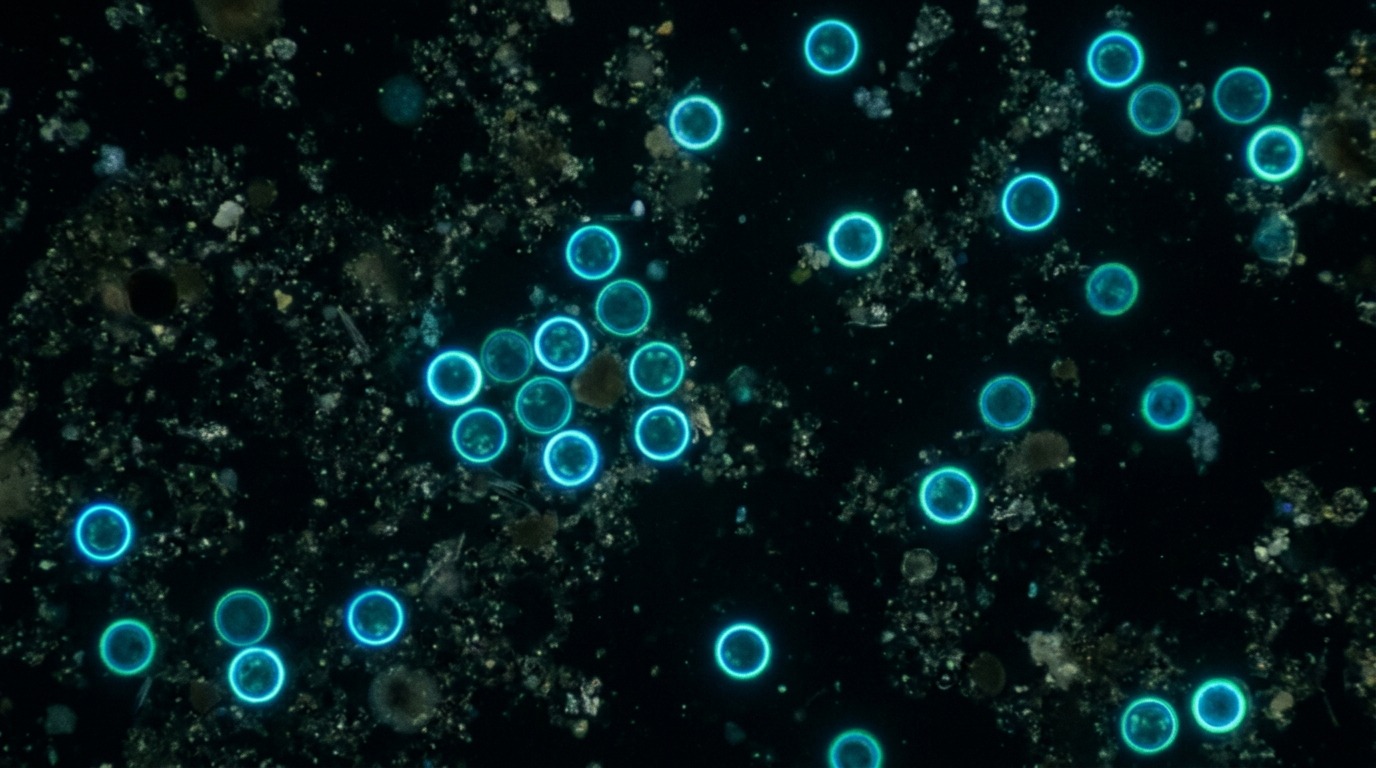 Cyclospora cayetanensis oocysts exhibiting blue-green autofluorescence under UV microscopy.
What Is Cyclospora? (Understanding the Parasite)
When you hear about foodborne illnesses, you usually think of bacteria or viruses. However, Cyclospora is different. It is a single-celled, microscopic parasite, specifically known as Cyclospora cayetanensis. Unlike bacteria that can multiply rapidly directly on food, Cyclospora needs to complete part of its life cycle outside the human body before it can cause infection.
This makes it a unique challenge for food safety and public health officials. The illness it causes is called Cyclosporiasis, an intestinal infection that can lead to prolonged and sometimes debilitating symptoms.
Cyclospora vs. Common Bacterial Infections
Understanding the difference between Cyclospora and more common bacterial infections is key to recognizing and treating it effectively. Here is a comparison of their characteristics:
| Characteristic | Cyclospora (Parasite) | Common Bacterial Infections (e.g., Salmonella, E. coli) |
|---|---|---|
| Type of Pathogen | Microscopic Parasite (Protozoan) | Bacteria |
| Incubation Period | Typically 1–2 weeks (can range from 2 to 14+ days) | Usually hours to a few days |
| Duration of Illness | Can last days to several weeks, often with relapses if untreated | Usually a few days to a week |
| Primary Source | Contaminated fresh produce, water (requires “oocyst maturation” outside host) | Undercooked meat, raw eggs, cross-contamination, unpasteurized dairy |
| Treatment | Specific antibiotics (e.g., Trimethoprim-sulfamethoxazole / Bactrim) | Often self-resolving; sometimes general antibiotics depending on type and severity |
| Person-to-Person Spread | Extremely rare (oocysts need time to mature outside the body) | Common, especially if hand hygiene is poor |
This comparison highlights why Cyclospora is a distinct concern. Its longer incubation period and specific treatment needs mean it can be easily misdiagnosed or overlooked if healthcare providers aren’t aware of its presence in the community.
How Cyclospora Affects the Human Body
Once ingested, Cyclospora embarks on a journey through your digestive system. It is a resilient pathogen, and its unique life cycle allows it to cause persistent gastrointestinal distress.
Incubation Period and Infection Process
One of the most distinguishing features of Cyclosporiasis is its incubation period. Unlike many bacterial foodborne illnesses where symptoms appear within hours of eating, Cyclospora takes its time.
Symptoms usually begin anywhere from 1 to 2 weeks (most commonly around 7 days) after you have consumed contaminated food or water. This delay can make it challenging to pinpoint the exact source of infection, as you might not immediately connect your current illness to something you ate a week or two ago.
Once inside your body, the Cyclospora oocysts (the infectious form of the parasite) excyst, releasing sporozoites that invade the cells lining your small intestine (specifically the jejunum). Here, they multiply and disrupt the normal function of these cells.
This cellular invasion and inflammation lead to malabsorption, meaning your body struggles to absorb vital nutrients and water. This is why the symptoms are often so severe and prolonged, impacting your overall energy, hydration, and well-being.
Key Symptoms of Cyclosporiasis: What to Watch For
The symptoms of Cyclosporiasis can range from bothersome to severely debilitating, significantly impacting your daily life. It is important to recognize these signs, especially if you suspect you have been exposed during a Cyclospora outbreak in US.
Common Signs of Cyclospora Infection
The hallmark symptom of Cyclosporiasis is profuse, watery diarrhea. This is not just a mild upset stomach; it can be persistent, severe, and explosive, lasting for days, weeks, or even over a month if left untreated. The rapid fluid loss can quickly lead to dehydration, which is a serious medical concern.
Other common symptoms include:
- Severe stomach cramps and abdominal pain
- Bloating, flatulence (excessive gas), and stomach rumbling
- Nausea, loss of appetite, and occasional vomiting
- Unintentional weight loss due to malabsorption and lack of appetite
- Extreme fatigue and muscle aches
- Low-grade fever (though not present in all cases)
 Common symptoms of Cyclosporiasis include severe stomach cramps, fatigue, and persistent digestive distress.
The Relapse Factor: Why Symptoms May Return
One of the most frustrating aspects of Cyclosporiasis is its tendency to relapse. Even if you start to feel better without treatment, the symptoms can wax and wane, returning with renewed intensity weeks later.
This “on-again, off-again” pattern can be incredibly draining and can prolong the illness for months in some cases. It is a strong indicator that the parasite is still present in your digestive system and requires proper medical intervention.
This unique characteristic further differentiates Cyclospora from many other common diarrheal illnesses that typically resolve on their own within a few days. The persistent nature underscores the need for specific treatment, not just symptomatic relief.
Transmission: How Does Cyclospora Spread?
Understanding how Cyclospora spreads is fundamental to preventing infection. It is not a pathogen that spreads easily from person to person, but rather through specific environmental pathways.
Primary Sources of Contamination
The primary route of transmission for Cyclospora is through the ingestion of food or water contaminated with the parasite. The key here is “fecally contaminated” – meaning the parasite is shed in the feces of an infected person.
However, for the Cyclospora oocysts to become infectious, they need to mature for a period (days to weeks) outside the host in warm, moist conditions. This is why direct person-to-person transmission is rare.
The most common culprits in outbreaks, especially during a Cyclospora outbreak in US, are fresh produce items that are often consumed raw. These include:
- Romaine lettuce and other leafy salad greens
- Cilantro and basil
- Fresh berries (such as raspberries, blackberries)
- Snap peas
These items can become contaminated if they are irrigated or washed with contaminated water, or if workers handling them have poor hygiene. The parasite then clings to the surface of the produce.
Contaminated or untreated water sources are also significant vectors. This can include drinking water, water used for agricultural irrigation, or even recreational water if it is not properly treated.
Myths vs. Reality About Transmission
There are often misconceptions about how infectious diseases spread. Let’s clarify some myths surrounding Cyclospora:
Myth: Cyclospora spreads directly from person to person, much like a cold or flu, or other highly contagious gastrointestinal viruses (like Norovirus).
Reality: This is untrue. Unlike many bacterial or viral infections, Cyclospora is only transmitted through ingesting food or water that has been contaminated with mature parasite oocysts. Because the oocysts shed in fresh feces are not yet mature (non-sporulated), they cannot cause immediate infection. They require days to weeks in the environment to mature. This means you cannot usually catch Cyclosporiasis directly from someone who is infected, even if they have poor hygiene.
This distinction is crucial because it shifts the focus of prevention from avoiding infected individuals to ensuring the safety of our food and water supply.
Prevention and Treatment Guidelines
Preventing Cyclosporiasis primarily revolves around meticulous food and water safety practices. Should infection occur, specific medical diagnostic tests and treatment are essential for recovery.
Actionable Food Safety and Prevention Tips
Since fresh produce and water are the main culprits, our defense strategy must focus there. Here are actionable steps you can take:
- Thoroughly Washing Fresh Produce: Always wash all fruits and vegetables under running tap water, even if you plan to peel them. For produce like leafy greens (lettuce, spinach, cilantro), separate the leaves and rinse thoroughly. While washing cannot remove all parasites, it significantly reduces the risk.
- Cooking Food Properly: Heat effectively kills the Cyclospora parasite. Therefore, cooking vegetables thoroughly, rather than consuming them raw, can eliminate the risk. While many common outbreak items like lettuce are typically eaten raw, consider cooking alternatives or ensuring their source is reputable during an active outbreak.
- Avoiding Raw Salads or Unwashed Produce During Peak Outbreak Seasons: Cyclospora outbreaks in the US are highly seasonal, typically peaking between May and August. During these months, consider being more cautious with raw, unwashed produce, especially those items frequently linked to outbreaks.
- Safe Water Practices: If you are in an area where water quality is questionable, or if you’re traveling, always opt for bottled water or boil tap water before consumption. This applies to water used for washing produce as well.
- Hand Hygiene: Always wash your hands thoroughly with soap and water before and after handling food, and after using the restroom. This is a fundamental step in preventing many foodborne illnesses.
At SaziBox Health, we encourage a holistic approach. While these steps protect against Cyclospora, supporting your overall gut health with a balanced diet rich in Vitamin C-packed fruits, leafy greens, and nutrient-dense foods can boost your natural defenses and aid recovery if you do fall ill.
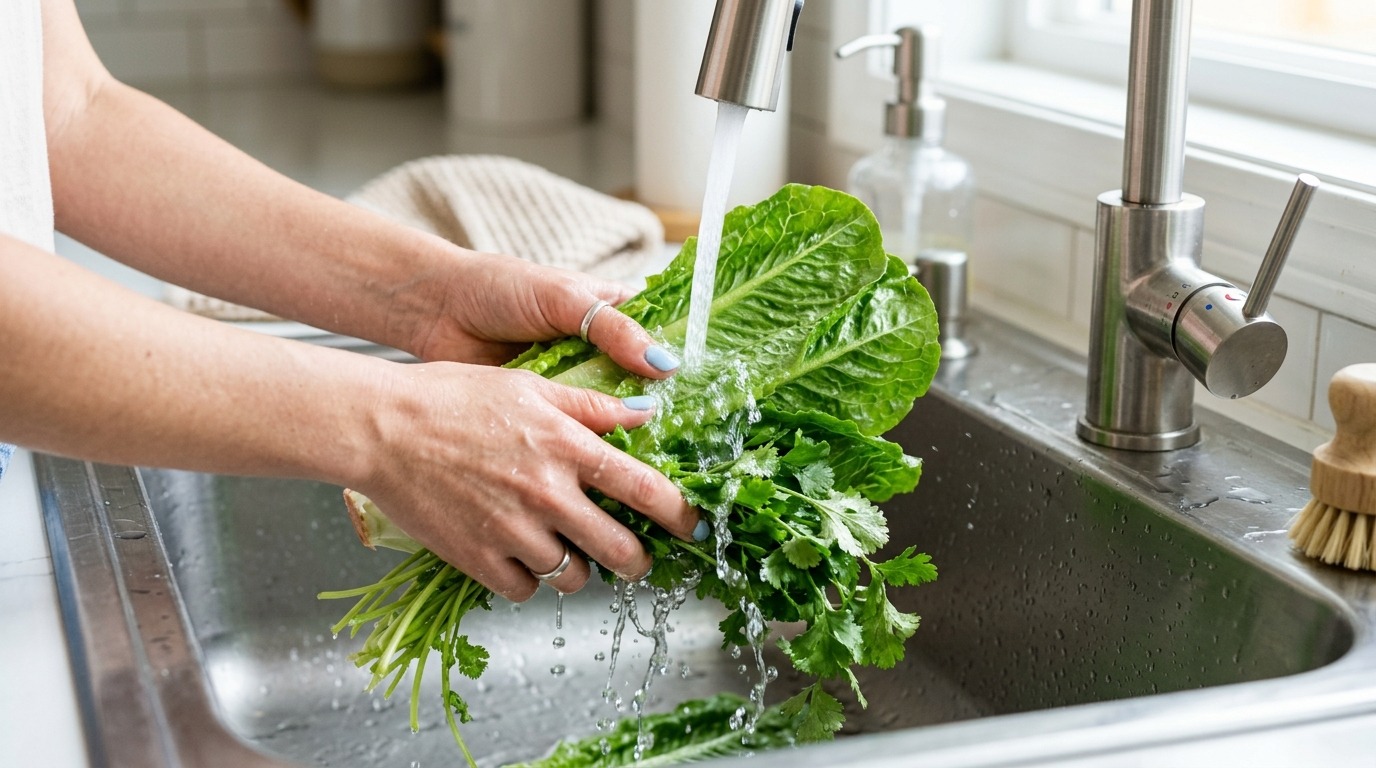 Thoroughly washing fresh leafy greens under running tap water helps reduce the risk of Cyclospora contamination.
How is Cyclosporiasis Diagnosed? (The Crucial Step)
One of the biggest gaps in managing Cyclospora is delayed diagnosis. Standard stool cultures performed for routine food poisoning do not test for Cyclospora.
If you suspect you have been exposed, you must consult a healthcare provider and request a specific test. The diagnosis is confirmed by:
- Specialized Stool Examination: A Stool Ova and Parasite (O&P) test that specifically looks for Cyclospora cayetanensis oocysts. This often requires special staining techniques (such as modified acid-fast staining) to make the parasite visible under a microscope.
- Molecular Testing (PCR): Many modern clinics use multiplex molecular PCR panels (Gastrointestinal Pathogen Panels) which can rapidly detect the DNA of Cyclospora and other common pathogens.
Because the parasite is shed intermittently, your doctor may ask for multiple stool samples collected over several days to ensure an accurate diagnosis.
Treatment and Medical Care
If you suspect you have Cyclosporiasis, it’s crucial to seek medical attention promptly. Standard over-the-counter anti-diarrheal medications might not be effective for Cyclospora and can even prolong the illness by trapping the parasite in your system.
The recommended medical treatment for Cyclosporiasis is a specific antibiotic combination: Trimethoprim-sulfamethoxazole (commonly known as Bactrim, Septra, or Cotrim). This medication targets the parasite directly and helps clear the infection.
For individuals who are allergic to sulfa drugs, alternative treatments (such as Nitazoxanide) may be considered, but these are less effective, highlighting the importance of discussing all medical history with your doctor.
Beyond antibiotics, hydration therapy is paramount. Profuse diarrhea can quickly lead to dehydration. Drinking plenty of fluids, especially Oral Rehydration Salts (ORS), is vital. ORS is widely available and a lifesaver for diarrheal diseases, replenishing essential salts and sugars lost during dehydration to help your body recover.
Your doctor might also recommend dietary adjustments to ease gastrointestinal distress and support healing. This could include a bland diet and avoiding certain foods that might irritate your gut further.
When to See a Doctor
The emergence of a Cyclospora outbreak in US serves as a vital reminder that our food and water safety practices are critical for public health. While this microscopic parasite can cause a prolonged and unpleasant illness, understanding its nature, transmission, and preventive measures can significantly reduce your risk.
Remember that Cyclospora is not a typical food poisoning agent; its long incubation period and potential for relapse demand a specific approach. Vigilant washing of fresh produce, ensuring safe water sources, and proper cooking are your strongest shields against this infection.
If you experience persistent, watery diarrhea, severe abdominal cramps, nausea, fatigue, or any of the other symptoms discussed, especially if they last for more than a few days or seem to wax and wane, please do not hesitate. Consult a healthcare provider promptly and request a specific test for Cyclospora.
Early diagnosis and appropriate treatment with specific antibiotics are crucial for a full recovery and to prevent the prolonged suffering that Cyclosporiasis can cause. Your health is your most valuable asset, and at SaziBox Health, we encourage you to take “Simple Steps to Holistic Health” by staying informed and proactive about your well-being.
Don’t dismiss persistent symptoms as just “a bug.” A doctor can perform specific tests to identify Cyclospora and guide you towards the correct treatment, ensuring you get back to feeling your best as quickly as possible.
Key Highlights
- Cyclospora is a microscopic parasite causing prolonged diarrheal illness, distinct from bacterial food poisoning.
- Outbreaks in the US are highly seasonal, typically peaking during spring and summer (May to August).
- Symptoms, including watery diarrhea, cramps, and fatigue, typically appear 1-2 weeks after exposure and can relapse.
- Transmission occurs through consuming food or water contaminated with mature Cyclospora oocysts, primarily fresh produce. It does NOT spread directly from person to person.
- Standard stool cultures do not detect Cyclospora; specialized stool O&P testing or PCR molecular testing is required for diagnosis.
- Treatment requires specific antibiotics (Trimethoprim-sulfamethoxazole / Bactrim) and hydration with ORS; OTC anti-diarrheals are often ineffective.
- Consult a doctor for persistent gastrointestinal symptoms, especially during outbreak seasons.
Frequently Asked Questions (FAQs)
- Can I get Cyclospora from someone who is infected?
No, direct person-to-person transmission is extremely rare. The Cyclospora oocysts shed in feces need to mature (sporulate) in the environment for days to weeks before they become infectious to another person. - How long do Cyclospora symptoms typically last?
If untreated, symptoms can last for days to several weeks or even months, often with periods of improvement followed by relapse. With appropriate antibiotic treatment, symptoms usually resolve within a few days to a week. - Does washing produce with soap or bleach kill Cyclospora?
No, washing with soap, bleach, or iodine solutions is not recommended and is not proven to reliably kill Cyclospora. Thorough washing under running tap water helps reduce contamination, but cooking to a safe temperature is the only sure way to kill the parasite on produce. - What kind of doctor should I see if I suspect Cyclosporiasis?
You should see your primary care physician or visit an urgent care clinic. They can order the necessary specialized stool tests or PCR panels to diagnose Cyclospora and prescribe the correct antibiotic treatment. - Are there any long-term complications from Cyclosporiasis?
While most people recover fully with treatment, prolonged or severe infections, especially in immunocompromised individuals, can lead to complications like malabsorption, severe dehydration, and rarely, reactive arthritis. Prompt treatment is key to preventing these issues.
Medical Disclaimer
The information provided in this article by SaziBox Health is intended for general knowledge and informational purposes only, and does not constitute medical advice. It is essential to consult with a qualified healthcare professional for any health concerns or before making any decisions related to your health or treatment. Always seek the advice of your physician or other qualified health provider with any questions you may have regarding a medical condition. Never disregard professional medical advice or delay in seeking it because of something you have read on this website. Reliance on any information provided by SaziBox Health is solely at your own risk. Product names, logos, brands, and other trademarks featured or referred to within this article are the property of their respective trademark holders.


How to Address Peer Reviewers: Step-by-Step Guide