Table of Contents
- The Hidden Power of the Pepita
- Zinc Signaling: The Architect of Memory Formation
- Magnesium and Neuroplasticity: The Shield Against Overstimulation
- Iron-Driven Oxygenation: Fueling Cerebral Stamina
- The Tryptophan-Serotonin Axis: Balancing Mood and Sleep
- Glutamate Regulation: Protecting Against Neuronal Burnout
- Frequently Asked Questions
The Hidden Power of the Pepita
Evelyn sat at her oak kitchen table, staring at the crossword puzzle that usually took her twenty minutes.
Today, the clues felt like they were written in a language she had only partially mastered.
This “brain fog” is a common concern for those prioritizing Senior Brain Health in their golden years.
While many reach for expensive supplements, the secret to cognitive longevity might be in a humble snack.
Pumpkin seeds, also known as pepitas, are tiny nutritional powerhouses packed with neuro-protective compounds.
Recent studies suggest these seeds provide the specific micronutrients needed to maintain Senior Brain Health.
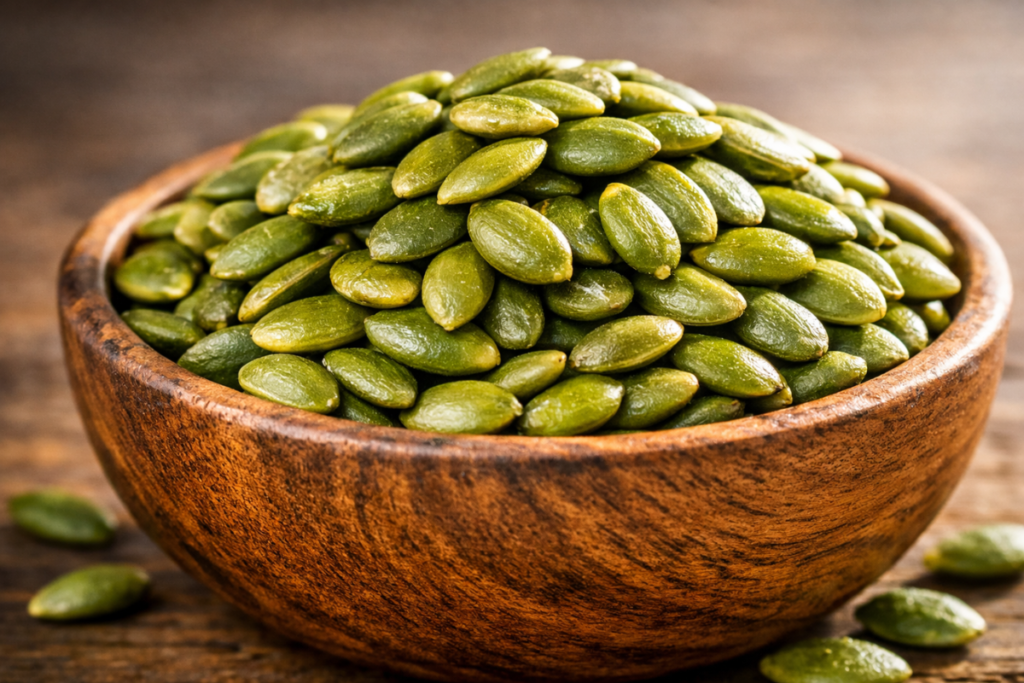
In this guide, we explore the clinical mechanisms that allow pumpkin seeds to restore memory and focus.
From zinc signaling to glutamate regulation, these seeds offer a multi-faceted approach to aging gracefully.
Let’s dive into the five scientific ways these seeds transform Senior Brain Health.
Zinc Signaling: The Architect of Memory Formation
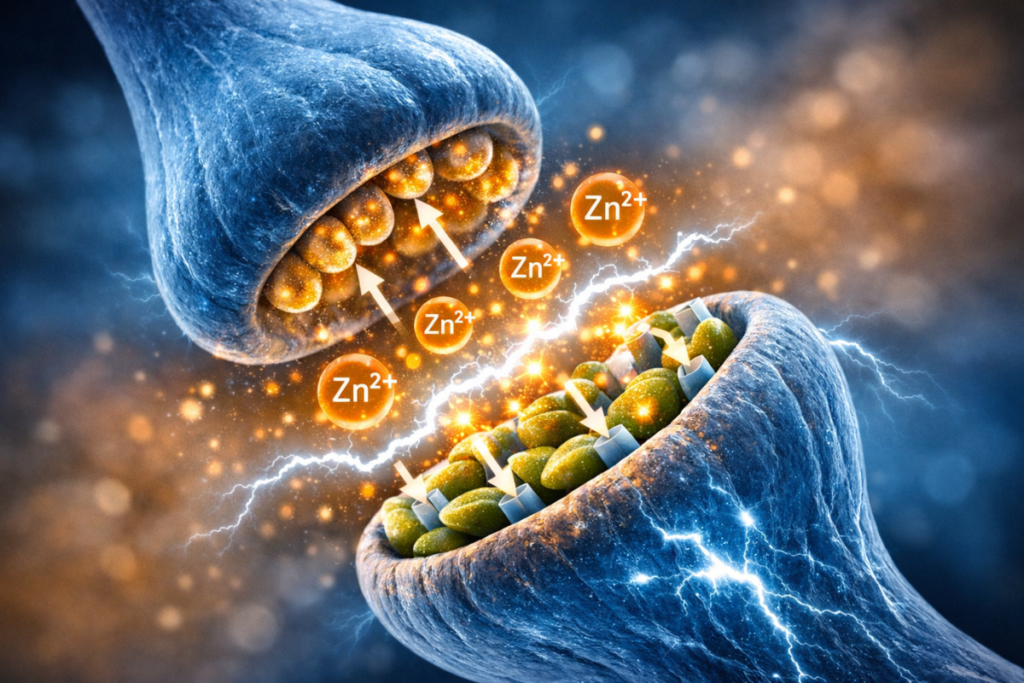
Zinc is more than just an immune booster; it is a critical signaling molecule in the brain.
In the context of Senior Brain Health, zinc is most concentrated in the hippocampus, the brain’s memory center.
Pumpkin seeds are one of the richest plant-based sources of this essential mineral.
Research published by the National Institutes of Health highlights zinc’s role in synaptic communication.
Zinc ions regulate the “strength” of the signals sent between neurons, a process called long-term potentiation.
Without adequate zinc, the brain struggles to form new memories or retrieve old ones effectively.
As we age, our ability to absorb zinc often decreases, leading to cognitive “stuttering.”
By incorporating pumpkin seeds, seniors can ensure their hippocampal “architects” have the tools they need.
This foundational support is a cornerstone of maintaining Senior Brain Health and preventing age-related decline.
Magnesium and Neuroplasticity: The Shield Against Overstimulation
Magnesium is often called the “master mineral” because it is involved in over 300 biochemical reactions.
For Senior Brain Health, its most vital role is acting as a gatekeeper for NMDA receptors.
These receptors control the flow of calcium into neurons, which is essential for learning and adaptation.
However, when these receptors are overstimulated, neurons can become exhausted or even die—a process called excitotoxicity.
Magnesium sits in the receptor channel like a biological “plug,” ensuring only the right amount of calcium enters.
This protective mechanism is vital for preserving neuroplasticity, the brain’s ability to rewire itself.
A study from Harvard Health suggests magnesium may reduce the risk of cognitive impairment.
Low magnesium levels are frequently linked to migraines, depression, and even Alzheimer’s disease progression.
Consuming pumpkin seeds provides a steady stream of magnesium to keep the brain’s “gates” functioning perfectly.
Iron-Driven Oxygenation: Fueling Cerebral Stamina
The brain consumes roughly 20% of the body’s total oxygen supply despite being only 2% of its weight.
Iron is the primary vehicle for this oxygen, as it is a key component of hemoglobin in red blood cells.
For those focused on Senior Brain Health, maintaining iron levels is crucial for preventing mental fatigue.
When iron levels dip, the brain experiences a subtle form of “hypoxia” or low oxygen delivery.
This often manifests as “brain fog,” where thoughts feel sluggish and concentration becomes impossible.
Pumpkin seeds offer a significant amount of non-heme iron to support consistent cerebral stamina.
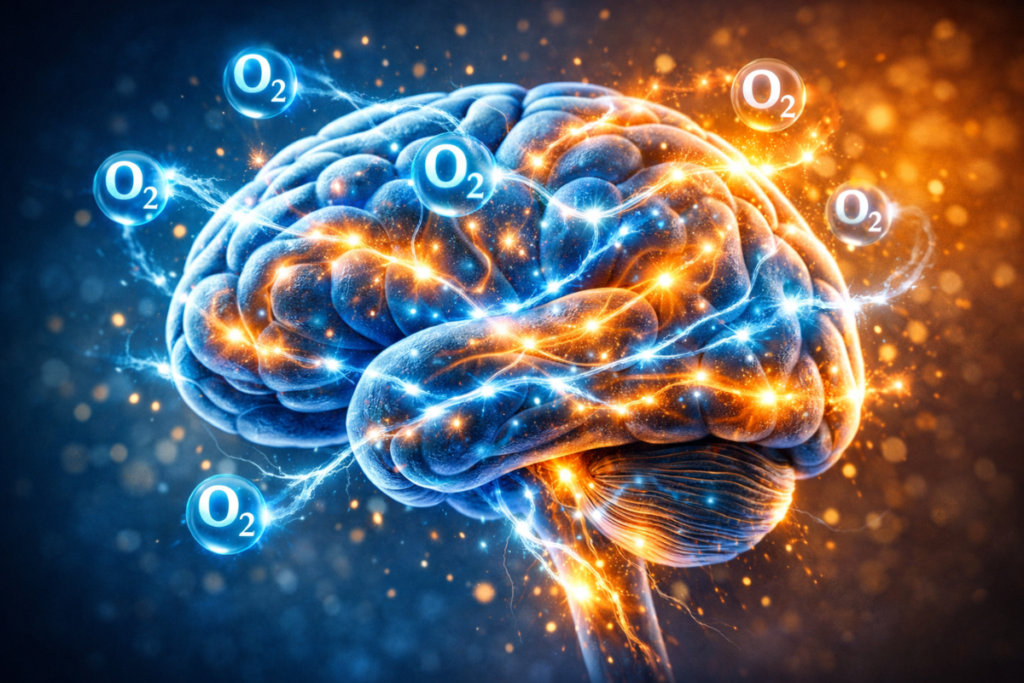
By ensuring optimal oxygenation, iron helps seniors maintain focus during demanding tasks, like reading or driving.
It also supports the production of enzymes that help synthesize neurotransmitters like dopamine.
This dual role makes iron a non-negotiable nutrient for any Senior Brain Health nutritional strategy.
The Tryptophan-Serotonin Axis: Balancing Mood and Sleep
Many people associate tryptophan with the post-Thanksgiving nap, but its role in the brain is much deeper.
Tryptophan is the precursor to serotonin, the “feel-good” neurotransmitter that stabilizes mood.
For Senior Brain Health, emotional stability is just as important as memory retention.
Serotonin is eventually converted into melatonin, the hormone responsible for regulating the sleep-wake cycle.
As we age, sleep patterns often become fragmented, which can accelerate cognitive decline.
Pumpkin seeds provide the raw materials needed to ensure both a balanced mood and restorative sleep.
According to the Sleep Foundation, tryptophan-rich foods can improve sleep quality.
Better sleep allows the brain’s glymphatic system to “flush out” toxins and metabolic waste accumulated during the day.
This nightly “brain wash” is essential for long-term Senior Brain Health and preventing neurodegenerative diseases.
Glutamate Regulation: Protecting Against Neuronal Burnout
Glutamate is the most abundant excitatory neurotransmitter in the vertebrate nervous system.
While it is necessary for brain function, too much glutamate can lead to “neuronal burnout.”
Maintaining the balance of glutamate is a high priority for sustaining Senior Brain Health over several decades.
Pumpkin seeds contain manganese and zinc, which work together to manage glutamate levels efficiently.
Manganese helps synthesize glutamine, which acts as a “buffer” to prevent glutamate from reaching toxic levels.
This prevents the “over-firing” of neurons that can lead to permanent cellular damage.

By protecting the “hardware” of the brain, these minerals ensure that the neural pathways remain intact.
This helps prevent the “short-circuiting” that often occurs in conditions like Parkinson’s or stroke recovery.
Investing in Senior Brain Health means protecting these delicate circuits through consistent, mineral-rich nutrition.
Key Highlights for Senior Brain Health
- Zinc: Strengthens the hippocampus for better memory recall and formation.
- Magnesium: Protects NMDA receptors to prevent excitotoxicity and support learning.
- Iron: Improves oxygen delivery to the brain, reducing mental fatigue and “fog.”
- Tryptophan: Supports serotonin and melatonin for better mood and restorative sleep.
- Manganese: Regulates glutamate to prevent neuronal burnout and maintain brain integrity.
Frequently Asked Questions
How many pumpkin seeds should a senior eat daily for brain health?
A standard serving is about one ounce (roughly 28 grams or a small handful).
This provides a significant percentage of the daily recommended intake for zinc, magnesium, and iron.
Are raw or roasted pumpkin seeds better for Senior Brain Health?
Both offer benefits, but raw seeds preserve more of the delicate fatty acids.
If you prefer roasted, choose dry-roasted seeds without excess salt or processed oils.
Can pumpkin seeds interact with any medications?
Because they are high in vitamin K and magnesium, they may interact with blood thinners or certain diuretics.
Always consult with your primary care physician before making significant dietary changes.
Do pumpkin seeds help with anxiety in seniors?
Yes, the magnesium and tryptophan in pumpkin seeds help regulate the nervous system.
These nutrients promote relaxation and can help mitigate the symptoms of age-related anxiety.
What is the best time of day to eat pumpkin seeds?
Eating them in the evening may be particularly beneficial due to their tryptophan content.
This helps the body produce melatonin, supporting a better night’s sleep for Senior Brain Health.
Medical Disclaimer: The information provided in this article is for educational purposes only and is not intended as medical advice. Always seek the advice of your physician or other qualified health provider with any questions you may have regarding a medical condition or dietary changes related to Senior Brain Health.